
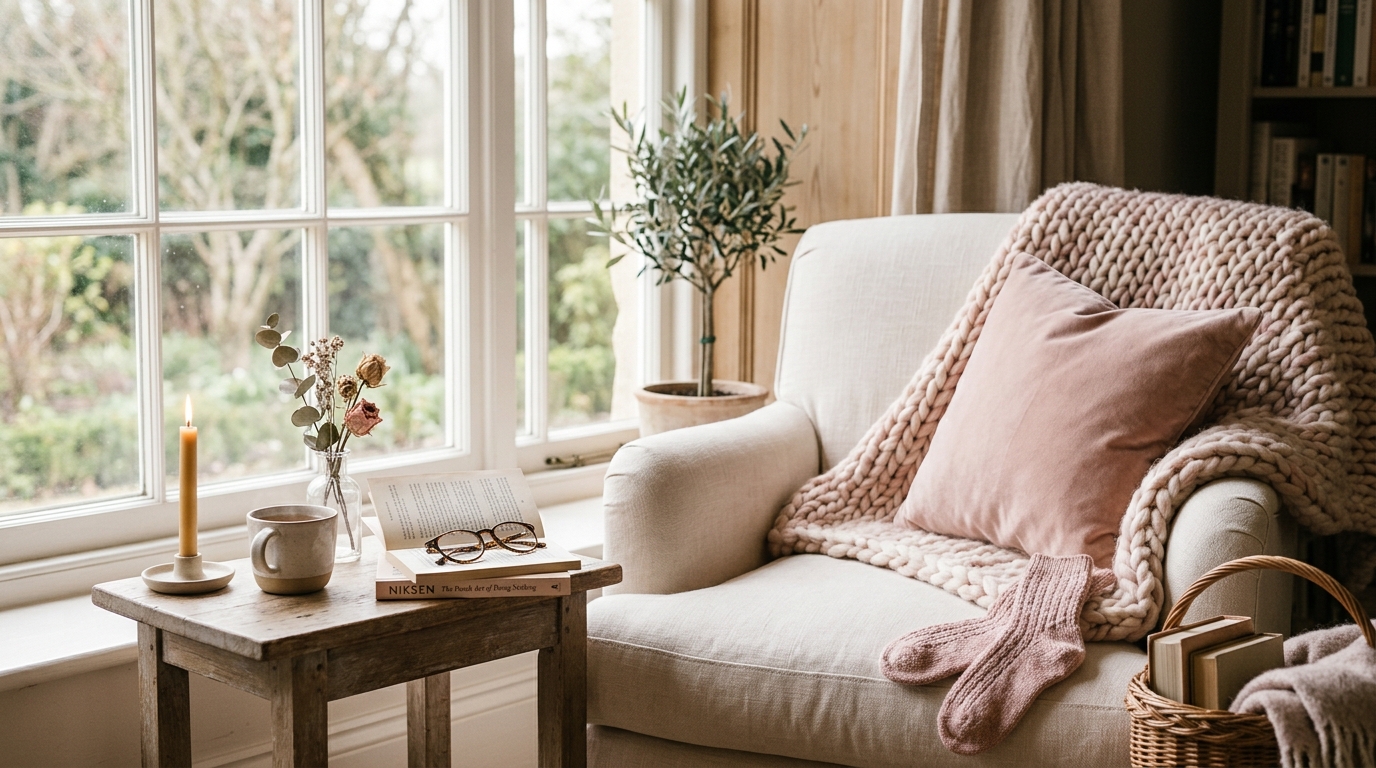
You sink into the cushions of your favorite chair, and for once, there’s nowhere you need to be. No task list calling your name. No productivity to justify. Just you, the weight of stillness, and permission to let your mind wander without purpose. This is niksen — the Dutch art of doing nothing — and it might be the gentlest rebellion your soul needs right now.
In a culture that celebrates hustle and measures worth in checkmarks, the idea of intentional idleness feels almost radical. Yet the Dutch have quietly practiced this art for generations, understanding something we’re only beginning to remember: sometimes the most restorative thing you can do is absolutely nothing at all.
What Niksen Really Means
Niksen isn’t meditation with its focused breath work, nor is it mindfulness with its present-moment awareness. It’s something softer, more permissive. The word itself comes from the Dutch “niks,” meaning nothing, and it’s exactly that — the practice of being idle without purpose or productivity attached.
Think of it as giving your mind complete freedom to drift. You might stare out the window watching clouds shift shape. You might listen to rain without analyzing its rhythm. You might simply exist in a moment without trying to extract meaning or benefit from it.
There’s no goal here, no “right way” to do it. That’s precisely the point.
Why Your Mind Craves This Kind of Rest
Your brain processes thousands of micro-decisions every day, filtering information, solving problems, managing emotions. Even during “downtime” scrolling or watching shows, you’re still consuming, still engaged. Niksen offers something different — true cognitive rest.
When you practice the Dutch art of doing nothing, you activate what neuroscientists call the default mode network. This is when your mind makes unexpected connections, processes experiences, and quietly restores itself. It’s where creativity lives, where solutions appear unbidden, where you reconnect with the quieter parts of yourself.
You’re not wasting time. You’re composting it, turning stillness into the richest soil for everything else to grow.
Simple Ways to Practice Niksen at Home
The beauty of niksen is its accessibility. You don’t need special equipment, apps, or expertise. You just need permission and a few unstructured moments.
- Sit by a window with a warm drink and let your gaze soften on whatever’s outside
- Lie on your bed in the afternoon and watch shadows move across the ceiling
- Stand in your garden or on your balcony, doing nothing but feeling the air on your skin
- Settle into a comfortable chair and simply exist there for ten minutes
- Listen to music without doing anything else — no folding laundry, no answering emails
Start with just five minutes if longer feels uncomfortable. Your mind might protest at first, offering you a dozen “productive” things you could be doing instead. That’s normal. Let those thoughts drift past like clouds.
Creating Space for Intentional Idleness
The hardest part of niksen isn’t the practice itself — it’s giving yourself permission. We’ve been taught that rest must be earned, that idle hands are somehow shameful. Unlearning this takes gentleness.
Choose a specific time each day, even if it’s brief. Maybe it’s those first moments after your morning coffee, or the transition between work and evening. Make it a ritual without rules, a space you protect not because you have to, but because you’ve remembered how good it feels to simply be.
a quieter inbox
Like this slower kind of writing?
Subscribe for soft letters — slow living, hygge, nervous-system care, & the four free gifts.
Let your environment support you. Soft lighting, a cozy blanket, a view you love — these aren’t necessities, but they can make the invitation more appealing. You’re not setting up for meditation or journaling. You’re just making a comfortable nest for doing nothing.
When Doing Nothing Feels Like Too Much
If guilt arrives when you practice niksen, acknowledge it softly. Our culture has trained us well in the art of constant motion. Sitting still can feel vulnerable, almost transgressive.
Remember that rest isn’t something you earn through exhaustion. You don’t have to justify it, optimize it, or turn it into another self-improvement project. This is permission to exist without proving your worth through output.
Some days, niksen will feel like the most natural thing. Other days, five minutes will feel endless. Both are okay. There’s no failure here, no wrong way to do nothing.
The Quiet Revolution of Being Idle
In embracing the niksen Dutch art of doing nothing, you’re not checking out or giving up. You’re reclaiming something essential — the right to exist without constant purpose, to let your nervous system settle, to trust that you are enough even when you’re not doing anything at all.
This practice won’t show up on your achievement list. It won’t make you more productive, though paradoxically, it might. What it will do is offer you moments of true rest in a world that rarely stops moving.
The next time you find yourself with empty minutes, resist the urge to fill them. Instead, settle into the stillness and let yourself simply be. Your soul has been waiting for this permission, and it’s been yours to give all along.
More from MindfullyModern
If this softness met you where you are, you may also love the MindfullyModern Slow Living Hub, Why Rest Doesn’t Feel Restful (7 Types You’re Missing) on Mindfully Modern · the MindfullyModern Burnout Relief Hub. This Mindfully Modern guide is part of a soft, growing library at MindfullyModern.
Get my free 7-day slow living email series
One short email each morning. Gentle rituals for softer days. No spam, unsubscribe anytime.