
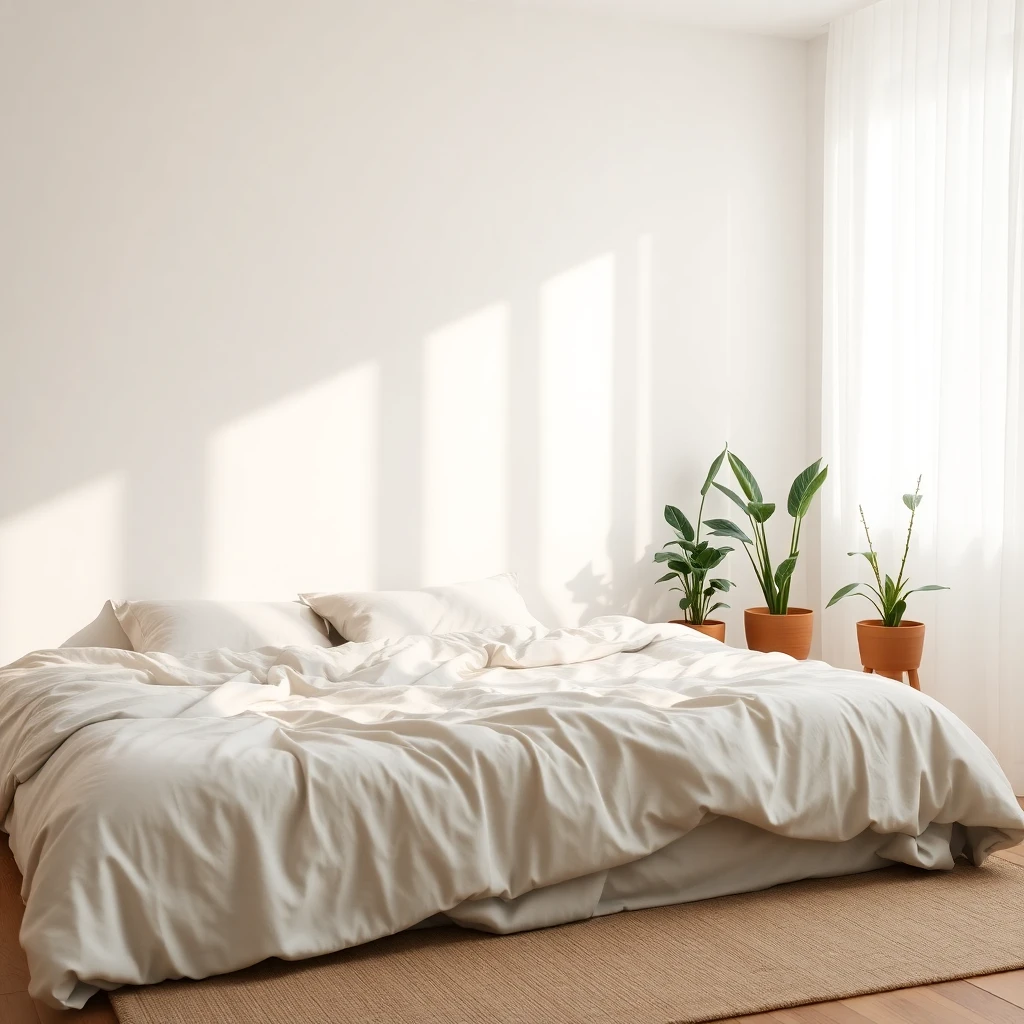
There’s something quietly powerful about closing your bedroom door at the end of a long day and feeling your shoulders drop. That sigh you didn’t know you were holding? It finally finds its way out. Your bedroom should feel exactly like that—a place where Your Nervous System can finally unclench, where the armor you wear through the world can be gently set down.
Creating a bedroom sanctuary on a budget isn’t about buying everything new or copying someone’s curated Pinterest aesthetic. It’s about making small, intentional changes that invite rest—changes that whisper, You’re safe here. And the truth? You don’t need much money to start. What you need is permission to prioritize your own restoration, one small shift at a time.
Why Your Bedroom Matters for Your Nervous System
For sensitive women, our environments speak directly to our bodies. A cluttered nightstand, harsh overhead lighting, or that pile of laundry you keep meaning to fold—all of it registers as low-level stress, a persistent hum of undone-ness that keeps your system on alert.
Your brain doesn’t fully relax when your space feels chaotic or unfinished. It scans for threats, for tasks, for things that need your attention. And in a world that already asks so much of you, your bedroom should be the one room that holds you without asking for anything back.
It’s not a storage space or an office extension or a dumping ground for everything that doesn’t have a home. It’s your rest zone—the place where you recover, restore, and remember what it feels like to simply Be. When you treat it that way, even in small, budget-friendly ways, you’re telling your nervous system: This is where we recover. This is where we’re allowed to soften.
Start With What You Already Have (But Rearrange It)
Before you spend a single dollar, pause and look around. What’s already in your bedroom that could be softened, simplified, or shifted? Sometimes a bedroom sanctuary on a budget begins with subtraction, not addition—with removing the noise before you add in the nourishment.
Here’s where to begin:
- Move anything work-related out of sight. That laptop, those files, the notebook where you jot down tomorrow’s to-do list—put them in a drawer or another room entirely. Your bedroom shouldn’t remind you of productivity.
- Tuck your phone charger behind the nightstand instead of front and center. Better yet, charge your phone across the room so it’s not the first thing you reach for in the morning or the last thing you scroll before sleep.
- Clear your nightstand down to essentials: a lamp, a book, maybe a small dish for jewelry or a glass of water. That’s it. Less visual noise means more mental quiet.
- Fold that throw blanket and drape it intentionally over the foot of your bed or across a chair. When things look cared for, you feel cared for.
If you have curtains, close them earlier in the evening To Create a boundary between your inner world and the one outside. If you don’t have curtains, consider a tension rod and a lightweight fabric panel from a thrift store—even $10 can buy you that small sense of separation. That boundary between you and the outside world? It makes more difference than you’d think.
Soft Lighting Is Everything (And Doesn’t Have to Be Expensive)
Overhead lights are the enemy of sanctuary. They’re too bright, too glaring, too Awake. Your bedroom needs lighting that mirrors sunset, not a dentist’s office—light that signals to your body that it’s time to wind down, not gear up.
Start here:
- Swap your regular bulbs for warm-toned ones. Look for “soft white” or “warm white” at any hardware store—they’re usually under $5 for a pack. This one change alone transforms the entire mood of your room.
- Add a small lamp with a fabric shade. Thrift stores are full of perfectly good lamps for under $10. A soft, diffused light source on your nightstand or dresser creates instant coziness.
- String lights aren’t just for college dorms. A strand of warm fairy lights tucked along a headboard, draped across a shelf, or woven through a plant creates a soft glow that feels cozy without trying too hard. Battery-operated ones mean no outlet hunting.
- Consider a Himalayan salt lamp or small LED candle. Both cast a gentle amber light that soothes instead of stimulates, and they add a warm focal point to your space.
Dim lighting isn’t just aesthetic—it’s biological. It tells your brain that the day is ending, that melatonin can start flowing, that it’s safe to let your guard down. When you’re building a bedroom sanctuary on a budget, this is one of the most powerful (and affordable) shifts you can make.
Layer in Texture (Thrift and DIY Count)
Sanctuary isn’t just visual—it’s tactile. Your skin needs soft things to touch. Your feet need something gentle to land on when you wake up. Your hands need fabrics that invite you to linger, to slow down, to feel comforted by your surroundings.
You don’t need luxury linens. You need sheets that feel good against your skin—sheets you actually look forward to climbing into. If your current ones are scratchy, faded, or just feel Off, check discount stores or online for jersey cotton or microfiber sets. They’re often under $30 and feel like wearing your favorite t-shirt to bed.
Then add layers—one at a time, as you find them:
- A chunky knit throw from a thrift store draped across your bed
- A faux fur or velvet pillow that invites you to sink in
- A secondhand quilt in colors that make you feel calm
- A soft rug (even a small one) beside your bed so your feet meet warmth instead of cold floor
Texture creates warmth. It makes a room feel lived-in and loved, not staged or sterile. When you’re building a space that nurtures your nervous system, these small tactile touches become anchors—physical reminders that you deserve softness, that comfort isn’t frivolous, that rest is a form of radical self-care.
For more ideas on making your entire home feel this way, explore our Cozy Home Hub for gentle, sensory-rich inspiration room by room.
Scent as a Soft Reset
Smell is one of the fastest ways to signal safety to your brain. It bypasses logic and goes straight to your limbic system—the part of you that remembers, feels, and decides whether you’re safe enough to rest. When your bedroom smells intentional (not like laundry detergent, last night’s dinner, or stale air), it becomes a place your body Wants to unwind in.
You don’t need fancy diffusers or expensive candles:
- Essential oils are your friend. A small bottle of lavender, cedarwood, or chamomile costs around $5–$10 and lasts for months. Add a few drops to a cotton ball and tuck it inside your pillowcase, under your pillow, or in a dresser drawer.
- DIY linen spray takes two minutes to make: a few drops of essential oil mixed with water in a small spray bottle. Mist your sheets and pillows before bed. The ritual becomes as soothing as the scent itself.
- Candles can be simple. Look for unscented or lightly scented soy versions at discount stores. Light one while you read or journal before sleep—the flicker, the warmth, the soft scent all tell your body the day is winding down.
- Dried herbs work beautifully. Keep a small dish of dried lavender, rose petals, or eucalyptus on your nightstand. You can find these at craft stores or online for just a few dollars, and they add a subtle, grounding fragrance.
Scent isn’t decoration. It’s communication—a direct line to the part of you that needs to feel safe enough to let go.
Micro-Rituals That Cost Nothing
Sometimes a bedroom sanctuary on a budget is less about what you buy and more about what you Do in the space. These small rituals train your nervous system to associate your bedroom with rest, safety, and deep exhales. They cost nothing but attention—and they work.
- Make your bed every morning, even if it’s just pulling up the comforter and smoothing the pillows. Coming home to a made bed feels like a gift you left yourself—a small signal that you’re worth caring for.
- Open your window for five minutes each morning to let fresh air circulate. Stale air feels heavy and lifeless; fresh air feels like a reset, a new beginning.
- Keep a small dish of something natural on your nightstand: dried lavender, smooth stones, a sprig of eucalyptus. These tiny touchstones ground you in something slower, something outside the rush.
- Play the same sound every night as you settle in: rain, ocean waves, brown noise, a favorite song. Repetition becomes a cue—a gentle Pavlovian signal that it’s time for your body to relax.
- Place a glass of water on your nightstand before bed. Sipping it when you wake up is a quiet act of care, a way of saying Good morning to yourself before the world asks anything of you.
These rituals aren’t performative. They’re not for anyone but you. They’re the small, tender ways you teach your nervous system that this space—Your space—is safe.
What to Skip (Because Not Everything Matters)
Here’s what you don’t need: matching furniture. A headboard. An expensive rug. Decorative pillows you’ll just toss on the floor every night. You don’t need to paint your walls or buy new curtains or invest in blackout shades unless light genuinely disrupts your sleep.
A bedroom sanctuary on a budget means being ruthlessly selective. Choose only the things that directly affect how your body feels: softness, dim light, calming scent, visual calm, and a sense of being held. Everything else is optional—and often just noise.
Skip the décor that doesn’t serve your nervous system. Skip the trends that feel performative or designed for someone else’s approval. Your bedroom isn’t for the internet. It’s not a backdrop for photos or a showroom for guests. It’s for You—on the hardest Tuesdays, when the world has asked too much and you need a place that holds you without question.
Give Yourself Permission to Start Small
You don’t have to transform your bedroom in a weekend. You don’t have to do it all at once or get it perfect or finish before you’re allowed to feel the benefits. Start with one shift: dim the lights tonight. Fold that blanket tomorrow. Add a scent next week. Let it unfold slowly, gently—the way all good things do when you’re honoring your sensitivity instead of rushing past it.
Your bedroom doesn’t need to look like anyone else’s. It doesn’t need to impress or perform or prove anything. It just needs to feel like Yours—soft, quiet, and safe. A place where the world’s demands stop at the door. A place where your nervous system can stop bracing and finally, tenderly, let go.
Because you deserve a space that asks nothing of you. A space that simply holds you. And you can create that space, one small, intentional choice at a time—no budget required, no permission needed. Just you, choosing rest. Just you, choosing softness. Just you, coming home to yourself.
Leave a Reply