
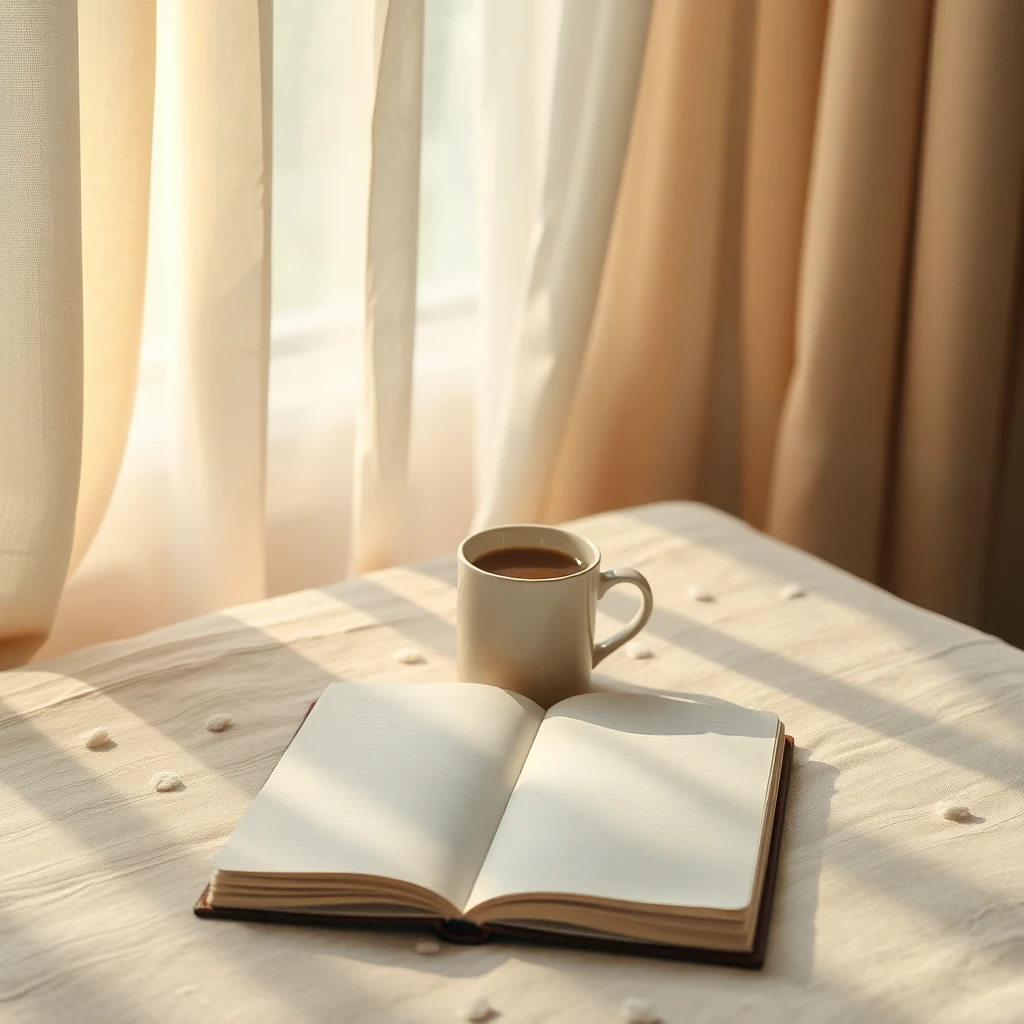
If you’ve been waiting for someone to tell you it’s okay to stop pushing so hard, this is that moment. You are allowed to do less than your maximum capacity. You are allowed to say no to genuinely good opportunities because you simply don’t have the energy for them. You are allowed to rest before you hit the wall of exhaustion, and to protect your time before every hour is already spoken for. You are allowed to live at a pace that doesn’t require you to spend every weekend recovering from the week that came before it.
This isn’t a productivity philosophy dressed up in softer language. This is a survival guide for Women Who Feel Everything at full volume — who process conversations days later, who carry the emotional weather of every room they enter, who need silence the way others need coffee.
The Myth of Maximum Output
We live in a culture that celebrates operating at maximum capacity — one that treats busyness as virtue, productivity as identity, and rest as something you earn only after you’ve first exhausted yourself completely. The message is clear and relentless: more is always better, faster is always preferable, and empty space in your calendar is an opportunity you’re wasting.
For most people, this pace is simply unsustainable over the long term. for Sensitive Women — those who process more deeply, feel more intensely, and require more recovery time than the average person — it’s not just unsustainable. It’s actively harmful to Your Nervous System, your relationships, and your sense of self.
Maximum output isn’t a sustainable operating mode for a human life. It’s a sprint that our culture has mistaken for a viable lifestyle, and sensitive souls pay the highest price for that confusion.
What Slow Living Is Not
Let’s clear up the misconceptions first, because slow living has been misrepresented as a kind of privileged opting-out that only works if you have unlimited resources and no real responsibilities.
Slow living is not doing nothing. It’s not quitting your job to stare at walls, ignoring your responsibilities, or becoming indifferent to quality and care. It’s not about lowering your standards or abandoning the people and projects that matter to you.
Slow living isn’t about the quantity of what you do — it’s about fundamentally shifting your relationship to time, pace, and presence while you do it. A woman practicing slow living can have a remarkably full life, rich with work and connection and creative contribution. She simply doesn’t treat that life as a race to some imaginary finish line where she’ll finally be allowed to rest.
What Slow Living Actually Is
Slow living is the intentional practice of choosing depth over breadth — fewer commitments that you inhabit more fully, rather than dozens you skim across the surface of.
It’s building actual margin into your days rather than optimizing every hour to maximum capacity. It’s leaving space between appointments. It’s not filling every quiet moment with a podcast or scroll. It’s allowing for the reality that things take longer than you think, that you need transition time, that your energy isn’t infinite.
It’s prioritizing how your daily life feels to live, not just what it produces or how it appears from the outside. It means asking, “Does this pace allow me to be present?” rather than just, “Did I get everything done?”
Perhaps most radically, slow living means making decisions from a place of alignment with your actual capacity and values — not from fear of what will happen if you stop performing, not from guilt about disappointing others, not from the anxiety that whispers you’re falling behind some invisible standard.
For a sensitive soul, slow living isn’t a retreat from life or a failure to keep up. It’s the profound discovery that life becomes far more liveable when you stop constantly running through it at a pace that leaves no room for feeling, processing, or being.
How to Begin, Practically
The shift to slow living doesn’t require a dramatic life overhaul. It begins with small, specific choices that you can make this week:
Question One Wrong-Paced Commitment
Identify the single thing you’re currently doing that feels most misaligned with your natural pace. Not necessarily the thing you should eliminate by external standards — the thing that costs you more energy than it returns, that leaves you feeling depleted rather than filled. Begin by simply questioning whether that one thing needs to continue in its current form. Can it be modified? Delegated? Released entirely? You don’t have to have the answer yet. The questioning itself is the first act of reclaiming your pace.
Protect One Genuinely Unscheduled Block
Choose one specific block of time each week — even just two hours — that remains genuinely unscheduled. Not loosely scheduled or reserved for errands. Actually open. Write it in your calendar if that helps you defend it. This isn’t time you have to fill with something worthy. It’s time you leave open to discover what emerges when you’re not performing, producing, or managing. Notice what you’re drawn to when no one is watching and nothing is required.
Practice the Pause Before Yes
When someone asks something of you, practice saying, “Let me think about that and get back to you,” before automatically saying yes. The pause itself is a slow living practice — it creates space between stimulus and response that most people never take. In that space, you can consult your actual energy and capacity rather than just your sense of obligation or fear of disappointing others. You might be surprised how often the answer shifts when you give yourself even twenty-four hours to consider it.
Notice Your Energy Patterns
For one week, simply observe when you feel most alive and when you feel most depleted — not to immediately optimize or fix anything, but just to know. Which activities leave you energized? Which relationships fill you versus drain you? What time of day is your nervous system calmest? This information becomes the foundation for making pace-aligned choices rather than just shouldering through whatever’s in front of you.
The Deeper Reward
Women who slow down intentionally — who stop filling every gap with activity, who let themselves be still without justifying it to anyone, who build lives at a sustainable pace rather than a celebrated one — often report an experience that genuinely surprises them.
They start to find out who they actually are beneath all the doing.
They discover preferences they had suppressed because there was never time to honor them. They find energy they had forgotten they possessed, energy that had been going entirely toward just keeping up. They experience a quality of presence in ordinary moments — the morning coffee, the evening walk, the conversation with a friend — that their previous pace had made completely impossible.
They realize they had been living as if they were late for something they could never quite name, and when they finally stop running, they find they were already exactly where they needed to be.
Slow living gives you back yourself. And in a culture that profits from your depletion, from your constant striving, from your belief that you’re never doing enough — reclaiming your own pace and presence isn’t a small act of self-care.
It’s a quiet revolution.
Want to explore more? Visit the MindfullyModern Slow Living Hub for a complete library of gentle, research-informed resources created specifically for sensitive women navigating a too-fast world.
Leave a Reply