
in this article
- → Why Evening Tea Becomes a Ritual
- → Chamomile: The Classic Companion
- → Lavender: Breathing in Calm
- → Passionflower: For Racing Thoughts
- → Seven Blends Worth Trying Tonight
- → Valerian Root: The Deeper Option
- → Creating Your Evening Tea Practice
- → When to Sip and When to Steep
- → Softening Into Sleep
- → Related Reading
TL;DR — Tea for Anxiety Before Bed: 7 Herbal Blends That Actually Work: The kettle hums softly in the corner of your kitchen as twilight settles outside.
Tea for Anxiety Before Bed: 7 Herbal Blends That Actually Work
Quick Answer: Tea for Anxiety Before Bed: 7 Herbal Blends That Actually Work The kettle hums softly in the corner of your kitchen as twilight settles outside.
Key Takeaways:
- Why Evening Tea Becomes a Ritual
- Chamomile: The Classic Companion
- Lavender: Breathing in Calm
- Passionflower: For Racing Thoughts
- Seven Blends Worth Trying Tonight
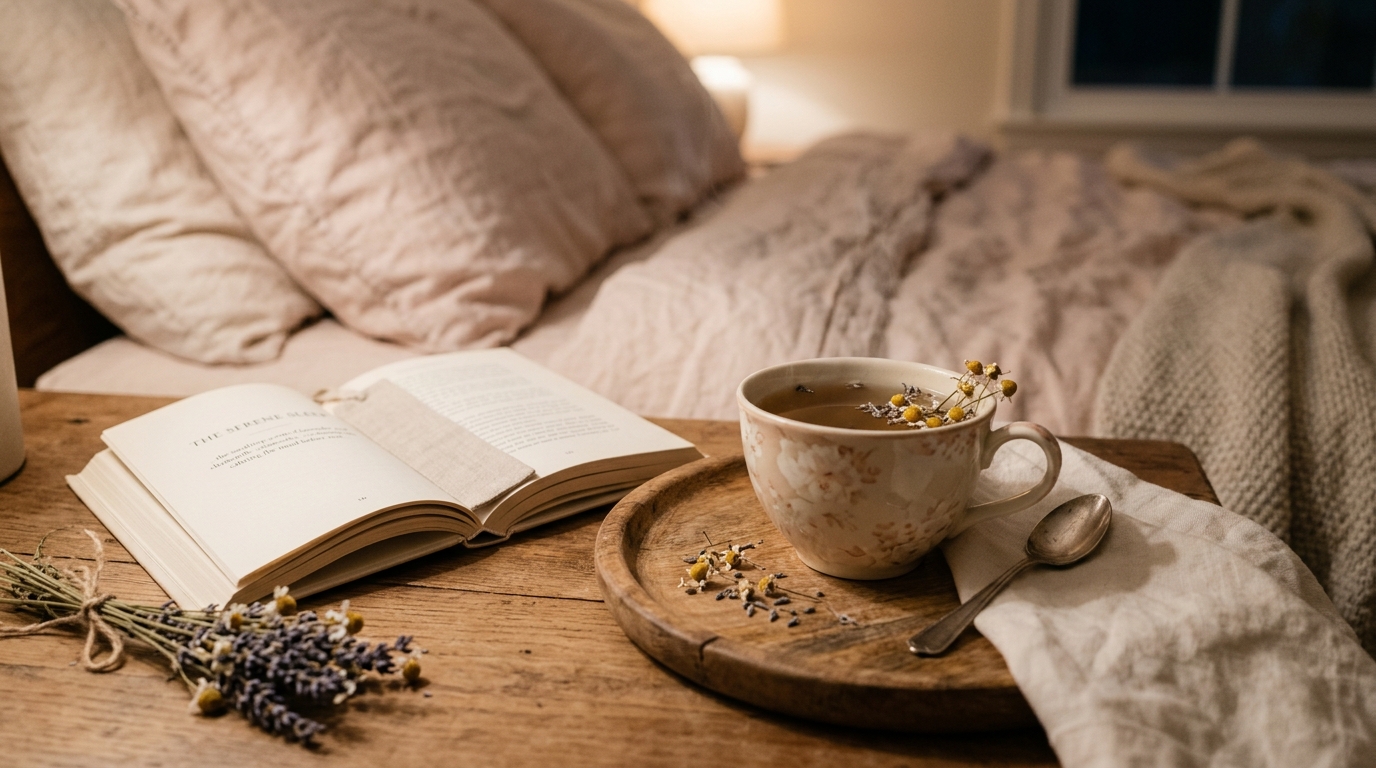
The kettle hums softly in the corner of your kitchen as twilight settles outside. You wrap your hands around a warm ceramic mug, breathing in fragrant steam that seems to untangle the day’s tension before the first sip even reaches your lips. If you’ve been searching for the best tea for anxiety before bed, you’re about to discover seven time-honored blends that transform your evening ritual into something sacred.
Tea has cradled worried minds for centuries, offering more than warmth—it offers permission to pause, to soften, to let the day go.
Why Evening Tea Becomes a Ritual
There’s something alchemical about preparing tea as the world quiets. The measured motions—filling the kettle, selecting your cup, watching leaves unfurl in hot water—become a bridge between the chaos of daylight and the gentleness you deserve at night.
When anxiety whispers loudly at bedtime, the best tea for anxiety before bed isn’t just about ingredients. It’s about creating a moment where you’re allowed to simply be, where the act of sipping becomes meditation without effort.
Your Nervous system recognizes this slowness. It begins to mirror the steam rising from your cup—drifting, softening, releasing.
Chamomile: The Classic Companion
Chamomile might feel like the obvious choice, but there’s profound wisdom in its simplicity. Those tiny apple-scented flowers have soothed restless minds since ancient Egypt, their gentle compounds encouraging your body toward rest.
The flavor is honey-sweet and mild, never demanding. It asks nothing of you except that you show up, tired and tender, exactly as you are.
Steep it for five minutes under a small plate to trap the essential oils. The ritual matters as much as the remedy.
Lavender: Breathing in Calm
Lavender tea tastes like a summer field distilled into liquid twilight. The floral notes feel almost purple on your tongue—if colors could have flavors, this would be violet and periwinkle swirled together.
Studies suggest lavender’s aromatic compounds interact with neurotransmitters that regulate mood. But you don’t need research to know that inhaling its scent makes your shoulders drop half an inch.
Blend it with chamomile if the flavor feels too perfumed on its own. Let it become yours.
Passionflower: For Racing Thoughts
When your mind rehearses tomorrow’s worries or replays today’s conversations, passionflower offers a gentle interruption. This climbing vine has been used traditionally to quiet mental loops that keep you awake.
The taste is earthy and slightly grassy, grounding in the way that touching soil grounds you. It doesn’t force sleep—it simply makes space for it.
You might find it blended with other calming herbs. Trust these combinations; herbalists have been perfecting them for generations.
Seven Blends Worth Trying Tonight
As you explore which tea becomes your evening anchor, consider these beloved options:
A quieter inbox
Like this slower kind of writing?
Subscribe for soft letters — slow living, hygge, nervous-system care, & the four free gifts.
- Pure chamomile for its gentle, uncomplicated comfort
- Lavender-chamomile blend when you need both calm and sweetness
- Passionflower with lemon balm for particularly racing thoughts
- Valerian root combination for deeper nervous system support
- Linden flower tea with its honey-like natural sweetness
- Tulsi (holy basil) evening blend for stress that lives in your body
- Skullcap with oatstraw for frayed, overstimulated nerves
Valerian Root: The Deeper Option
Valerian is the friend who shows up when lighter remedies aren’t quite enough. Its earthy, almost musky flavor isn’t for everyone, but those who need its strength often grow to love its peculiar taste.
This root has sedative properties recognized even by modern science, though traditional herbalists knew its value long before laboratories confirmed it. It works more powerfully than chamomile, inviting genuine drowsiness rather than mere relaxation.
Start with blends that soften its intense flavor with peppermint or lemon balm. Honor where you are tonight.
Creating Your Evening Tea Practice
The best tea for anxiety before bed is ultimately the one you’ll actually drink, the one whose preparation becomes a signal to your whole being that rest is near.
Keep your favorite blend in a beautiful tin within reach of your kettle. Use a cup that feels good in your hands—weight and texture matter more than you might think. Consider the same time each evening, letting consistency become its own form of comfort.
This isn’t about perfection. Some nights you’ll remember at the last minute. Other nights, the ritual will carry you gently from wakefulness to sleep like a lullaby made drinkable.
When to Sip and When to Steep
Timing transforms tea from beverage to bedtime bridge. Ideally, begin your evening tea ritual sixty to ninety minutes before you want to sleep, giving the herbs time to work with your body’s natural wind-down.
Steep most calming teas for five to seven minutes, covered, in water just below boiling. Longer steeping extracts more of the beneficial compounds, though some herbs grow bitter if forgotten.
Sip slowly, without distraction. Let this be the thing you’re doing, not something alongside scrolling or planning or worrying.
Softening Into Sleep
Your evening tea ritual is permission to care for yourself in the smallest, most accessible way. As you discover which blend becomes your bedtime companion, remember that the magic lives equally in the herbs and in the pause you’re gifting yourself. Tonight, let the steam rising from your cup carry away what no longer serves you, one gentle sip at a time.
More from MindfullyModern
If this softness met you where you are, you May also love The MindfullyModern Essential Oils Hub, Lemongrass Roll-On for Stress Relief (2026 Guide) on Mindfully Modern · The MindfullyModern Burnout Relief Hub. This Mindfully Modern guide is part of a soft, growing library at MindfullyModern.
Want to explore more? Visit the MindfullyModern Nervous System Regulation Hub — a complete library of gentle, research-informed resources created for sensitive women.
Things I keep within reach for this